


Brands Are Spending Millions on Immersive Retail: The Cost of Disappearing Products

Updated: Aug 3
The Shift in Retail Design
Brands are investing heavily in immersive retail experiences. Flagship stores are transforming. They are becoming spectacles. Large-scale installations, in-house cafes, sensory rooms, and architectural statements are designed to generate press and social content.
The intention is correct. Emotional engagement matters. Cultural relevance matters. Physical retail must offer something a screen cannot.
However, this evolution has produced a blind spot. It’s costing brands real revenue. The product is disappearing from the floor plan.
When Experience Becomes the Product
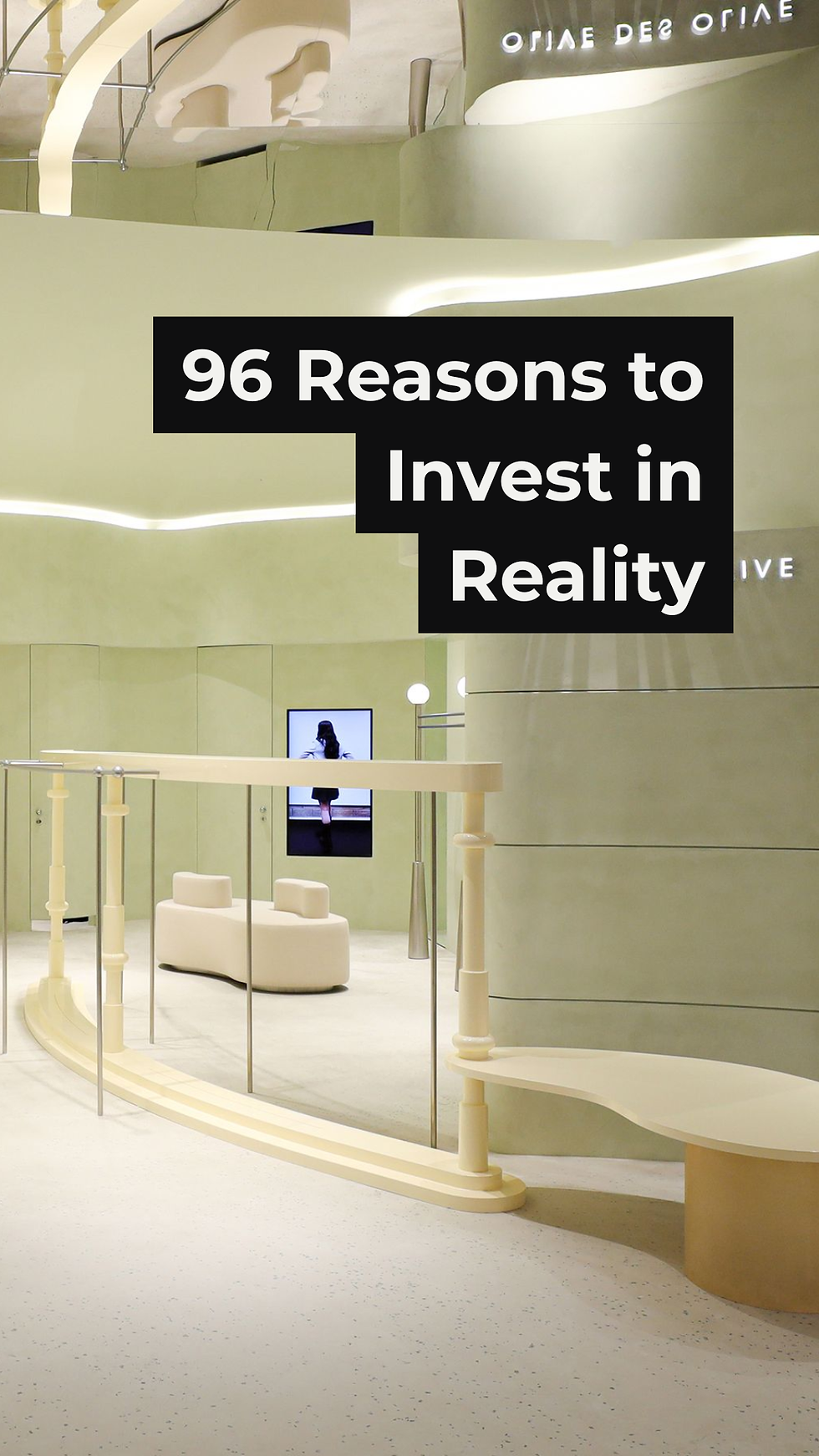
Walk into almost any premium flagship opened in the last three years. You’ll find the same logic at play. The architecture is bold. The curation is deliberate. The spatial experience is genuinely impressive.
But somewhere in the back, past the installation, the café, and the mood lighting, there are products on shelves that nobody is looking at. When a customer walks out talking about the lighting concept but leaves the jacket on the shelf, the design has failed. Not aesthetically, but commercially.
Physical retail is not an art project. It is a financial commitment. There’s a lease, a fit-out budget, and a board expecting conversion. When you prioritize scenography over product visibility, you’ve built an expensive marketing stunt. Not a commercial asset.
The False Choice Between Experience and Transaction
The common response to this tension frames it as a binary choice. You either build an immersive environment or a high-converting one. Atmosphere or sales. Brand or revenue.
This is the wrong frame. The goal of high-end retail architecture is not to choose between experience and transaction. It’s to engineer both simultaneously, without compromise.
The immersive environment earns the customer’s attention. The spatial design directs that attention precisely where it needs to go. If those two elements are not working in sequence, you have a problem.

Two Techniques That Solve It
At SMN Design, we approach this through two non-negotiable design principles applied to every retail project.
1. Deliberate Material Contrast
Raw, aggressive materials like untreated concrete, brushed steel, and oxidized metal create an architectural backdrop. This backdrop reads as intentional and premium. It signals a point of view. It generates spatial tension.
Product display surfaces, however, are wrapped in the opposite: soft, warm, tactile materials. Pale stone, lacquered wood, velvet, and leather.
The human eye is wired to track contrast. It will always gravitate toward the shift in texture. You’re not directing the customer toward the product through signage or obvious wayfinding. You’re doing it through the instinctive logic of the visual field itself.
The brutalist surround becomes a deliberate foil. It makes the product surface, and by extension, the product, feel like the most precious thing in the room.
2. A Strict Lighting Hierarchy
Ambient lighting sets the mood. It establishes spatial identity, theatrical quality, and emotional register. This is what customers feel when they step inside.
But ambient lighting alone is commercially passive. If everything is lit the same way, nothing commands attention.
High-CRI spotlights change that. Positioned deliberately on the merchandise, they pull the product out of the atmospheric background. The collection becomes the brightest, sharpest thing in the room. Not because it’s on a plinth with a spotlight aimed at it, but because the surrounding environment has been calibrated to yield to it.
The result is a space where experience and product do not compete for the customer’s attention. They work in sequence. The environment draws them in, and the design hands them directly to the collection.
Experience Attracts Foot Traffic; The Product Drives Revenue
These are not competing priorities. But they require a design strategy that treats both with equal seriousness.
If your creative direction leads the architecture, you’ll build something impressive. If your commercial logic leads it without spatial intelligence, you’ll build something efficient but forgettable.
The work lies in fusing the two. That requires an architect who understands both the brand and the P&L.
Conclusion: The Future of Retail Design
The future of retail design hinges on balance. We must create spaces that captivate and convert. The immersive experience should enhance the product, not overshadow it.
Retail is evolving. We must adapt. We must ensure that products remain visible and desirable.
Working on a flagship, showroom, or retail rollout? Visit *smndesign.net or send INFO in DM to explore how we approach this.

Comments